
United Arab Emirates exit from OPEC raises pressure on global oil market stability
Market sentiment weakened as expectations of shifting producer alignment added uncertainty to future global oil supply management.
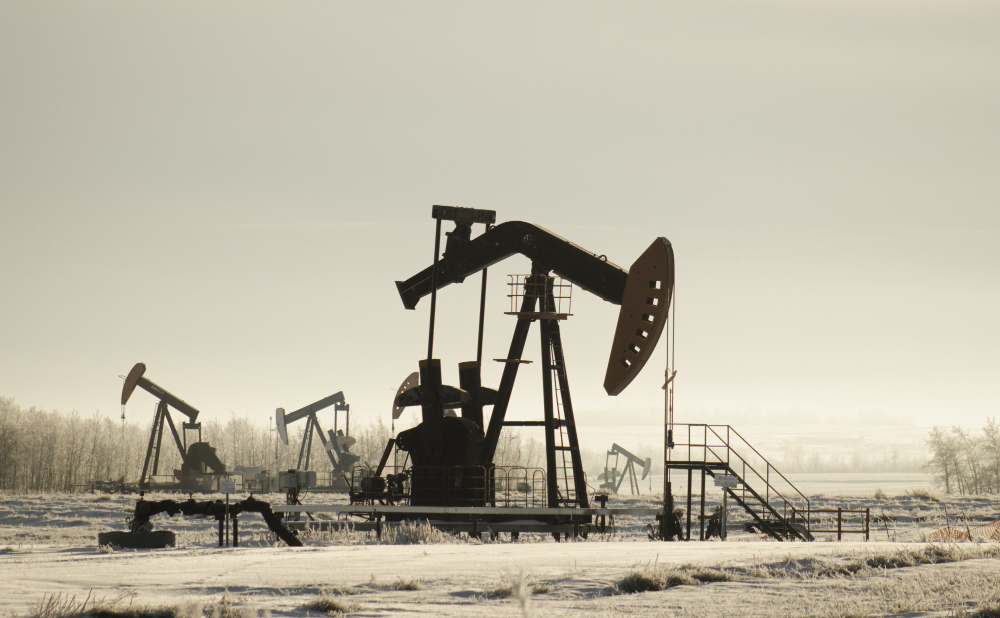
Oil prices fell after the United Arab Emirates said it would leave the Organisation of the Petroleum Exporting Countries (OPEC), a move that could weaken the group’s ability to manage global supply amid heightened regional instability.
The announcement was widely seen as a sign of growing strain inside the producer bloc. The UAE, one of OPEC’s larger oil producers, has for years signalled frustration with output quotas that limited its ability to expand exports.
Analysts said its departure could eventually increase supply and ease some upward pressure on prices.
Yet the broader energy outlook remains shaped more by internal OPEC dynamics than by the ongoing war involving Iran and the disruption in the Strait of Hormuz. With a key global oil transit route still affected, markets remain driven by uncertainty over regional security and stalled US-Iran talks.
That leaves the UAE’s move open to two readings. On one hand, it reflects a sovereign effort to gain more flexibility and protect national economic interests. On the other hand, it raises questions about OPEC’s future cohesion and the effectiveness of producer coordination during a period of geopolitical and market stress.
Why does it matter?
The development highlights the growing overlap between energy governance and diplomacy. While the UAE’s decision points to internal strain within OPEC, the wider crisis involving Iran shows how quickly unresolved conflict can reshape supply expectations, investor sentiment, and broader economic conditions. For now, markets appear to be weighing the prospect of looser supply against the continued risks of instability in the Gulf.
Would you like to learn more about AI, tech, and digital diplomacy? If so, ask our Diplo chatbot!