
DeepMind chief renews the AI intelligence debate
Rising debate surrounds claims that AI may one day learn as broadly as humans, with Elon Musk and xAI adding weight to arguments for rapid machine progress.
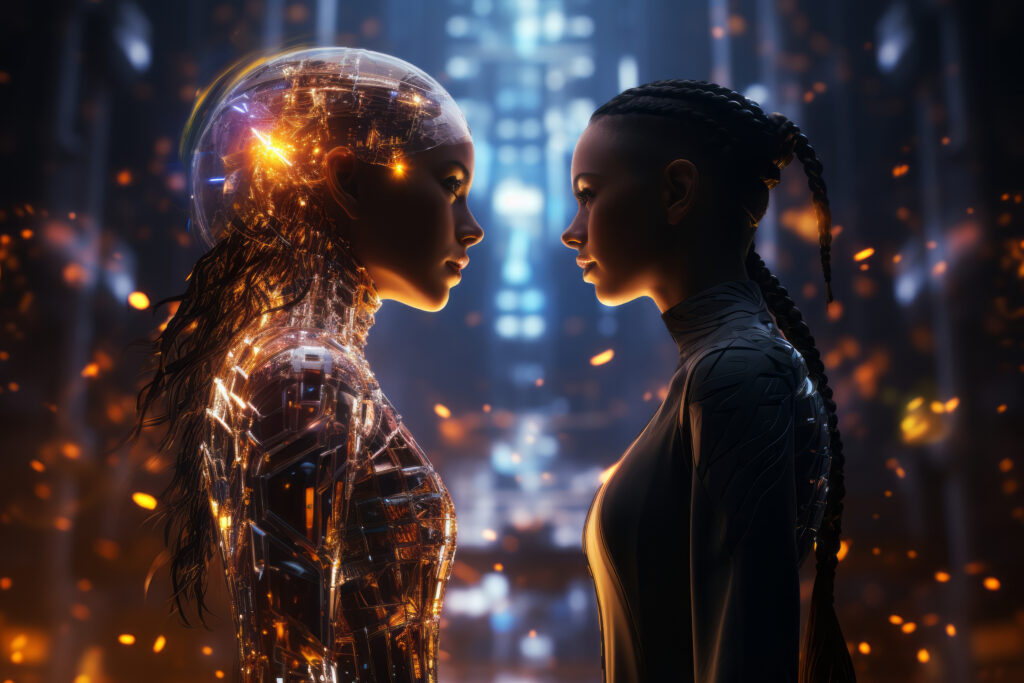
Amid growing attention on AI, Google DeepMind chief Demis Hassabis has argued that future systems could learn anything humans can.
He suggested that as technology advances, AI may no longer remain confined to single tasks. Instead of specialising narrowly, it could solve different kinds of problems and continue improving over time.
Supporters say rapid progress already shows how powerful the technology has become.
Other experts disagree and warn that human intelligence remains deeply complex. People rely on emotions, personal experience and social understanding when they think, while machines depend on data and rules.
Critics argue that comparing AI with the human mind oversimplifies how intelligence really works, and that even people vary widely in ability.
Elon Musk has supported the idea that AI could eventually learn as much as humans, while repeating his long-standing view that powerful systems must be handled carefully. His backing has intensified the debate, given his influence in the technology world.
The discussion matters because highly capable AI could reshape work, education and creativity, raising questions over safety and control.
For now, AI performs specific tasks extremely well yet cannot think or feel like humans, and no one can say for certain whether true human-level intelligence will ever emerge.
Would you like to learn more about AI, tech and digital diplomacy? If so, ask our Diplo chatbot!