
China approves world-first brain chip to treat paralysis
A newly approved brain implant is opening the door to restoring movement in people once thought permanently paralysed.
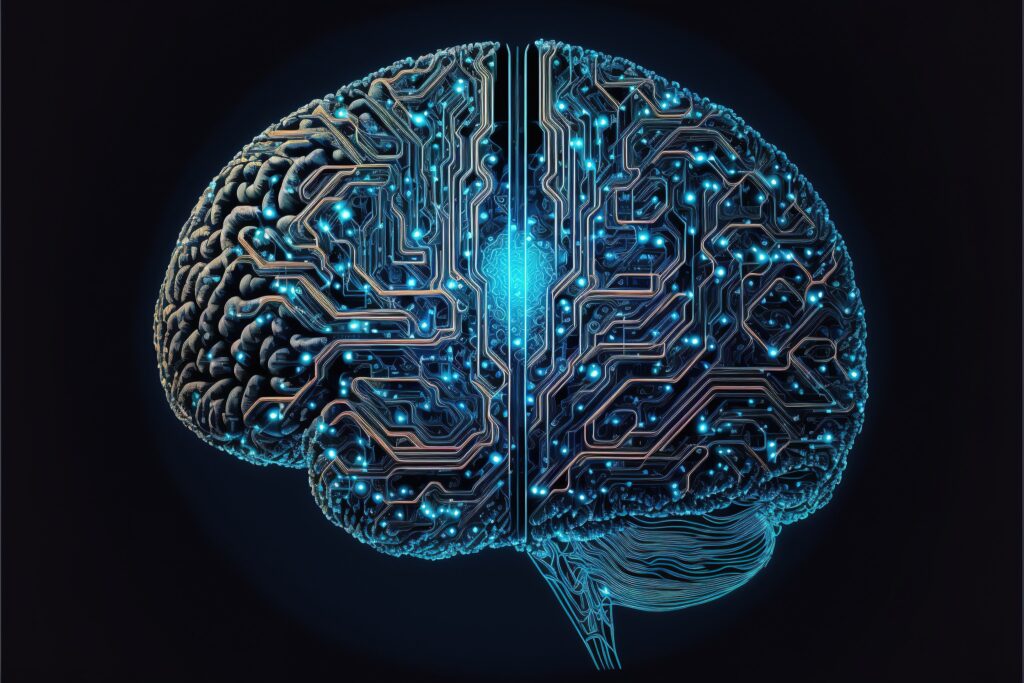
China has approved a groundbreaking brain implant designed to help people with severe paralysis regain hand movement, marking the first time such a brain–computer interface (BCI) has been authorised for use beyond clinical trials. The device, developed by Shanghai-based Neuracle Medical Technology, targets patients aged 18 to 60 whose paralysis is caused by spinal cord injuries in the neck.
The approval, granted by China’s National Medical Products Administration, is being described as a major milestone in the field of neurotechnology. Experts note that effective treatments for spinal cord injuries remain extremely limited, making advances in BCI technology particularly significant for patients with little hope of recovery.
The device, called NEO, works by detecting brain signals when a person imagines moving their hand. These signals are transmitted to a computer, decoded, and then used to control a soft robotic glove. With this system, patients can perform everyday tasks such as grasping objects, eating, and drinking, activities that were previously impossible for them.
Early results from trials are promising. Researchers report that one patient, after nine months of use, regained the ability to eat and drink independently. Overall, 32 participants who received the implant were able to perform grasping movements with the robotic glove, showing measurable improvements in hand function.
Unlike some competing technologies, NEO is considered minimally invasive. The coin-sized implant is embedded in the skull rather than inserted deep into the brain, which may have contributed to its faster approval. Other companies, including Elon Musk’s Neuralink, are still conducting clinical trials for more invasive devices.
While experts say the technology appears safe and effective, they caution that the number of tested patients remains small. Even so, the approval represents a significant step forward, potentially opening the door to wider use of brain-computer interfaces in restoring lost motor functions.
Would you like to learn more about AI, tech and digital diplomacy? If so, ask our Diplo chatbot!