
AI and digital skills seen as key for persons with disabilities
Technology-driven jobs are reshaping employment options for persons with disabilities, as policymakers highlight AI skills as a key driver of inclusion.
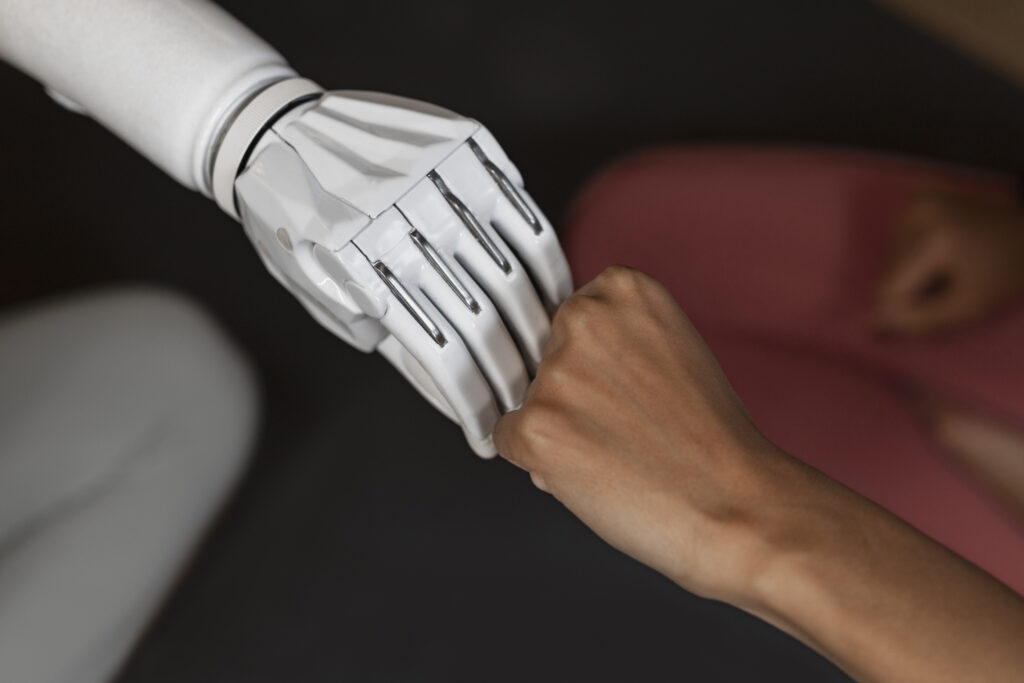
Expanded access to AI and digital economy skills could strengthen employment prospects for persons with disabilities, according to Senator Isaiah Jacob. Flexible and remote working models are increasingly viewed as practical tools for workforce inclusion.
Advances in AI and digital technologies are reducing reliance on physical workplaces, opening new opportunities for qualified PWDs. Existing vocational training programmes already reserve places, while efforts continue to connect candidates with companies offering specialised digital training.
Free education for students with disabilities at public higher learning institutions is expected to ease financial pressure on their families. The measures form part of broader efforts in Malaysia to expand inclusive access to skills and employment.
Employment remains the most significant barrier due to the lack of enforceable hiring requirements. Proposals include embedding the 1% PWD employment quota into labour law, alongside tax incentives and a dedicated fund to support PWD entrepreneurs.
Would you like to learn more about AI, tech, and digital diplomacy? If so, ask our Diplo chatbot!