
AI adoption leaves workers exhausted as a new study reveals rising workloads
Evidence from an eight-month study indicates that AI adoption led to increased task volume, higher speed expectations, and higher fatigue levels, contradicting industry promises of significant workplace benefits.
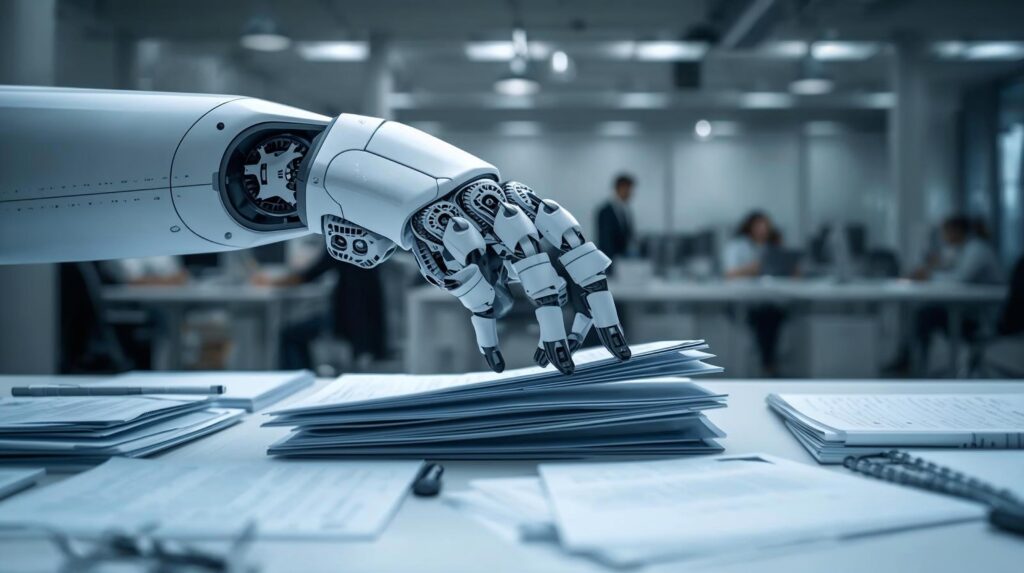
Researchers from UC Berkeley’s Haas School of Business examined how AI shapes working habits inside a mid-sized technology firm, and the outcome raised concerns about employee well-being.
Workers embraced AI voluntarily because the tools promised faster results instead of lighter schedules. Over time, staff absorbed extra tasks and pushed themselves beyond sustainable limits, creating a form of workload creep that drained energy and reduced job satisfaction.
Once the novelty faded, employees noticed that AI had quietly intensified expectations. Engineers reported spending more time correcting AI-generated material passed on by colleagues, while many workers handled several tasks at once by combining manual effort with multiple automated agents.
Constant task-switching gave a persistent sense of juggling responsibilities, which lowered the quality of their focus.
These researchers also found that AI crept into personal time, with workers prompting tools during breaks, meetings, or moments intended for rest.
As a result, the boundaries between professional and private time weakened, leaving many employees feeling less refreshed and more pressured to keep up with accelerating workflows.
The study argues that AI increased the density of work rather than reducing it, undermining promises that automation would ease daily routines.
Evidence from other institutions reinforces the pattern, with many firms reporting little or no productivity improvement from AI. Researchers recommend clearer company-level AI guidelines to prevent overuse and protect staff from escalating workloads driven by automation.
Would you like to learn more about AI, tech and digital diplomacy? If so, ask our Diplo chatbot!