
UN Women cautions AI is reinforcing gender bias
Research found widespread gender bias in AI models, prompting calls for stronger safeguards and more inclusive development practices.
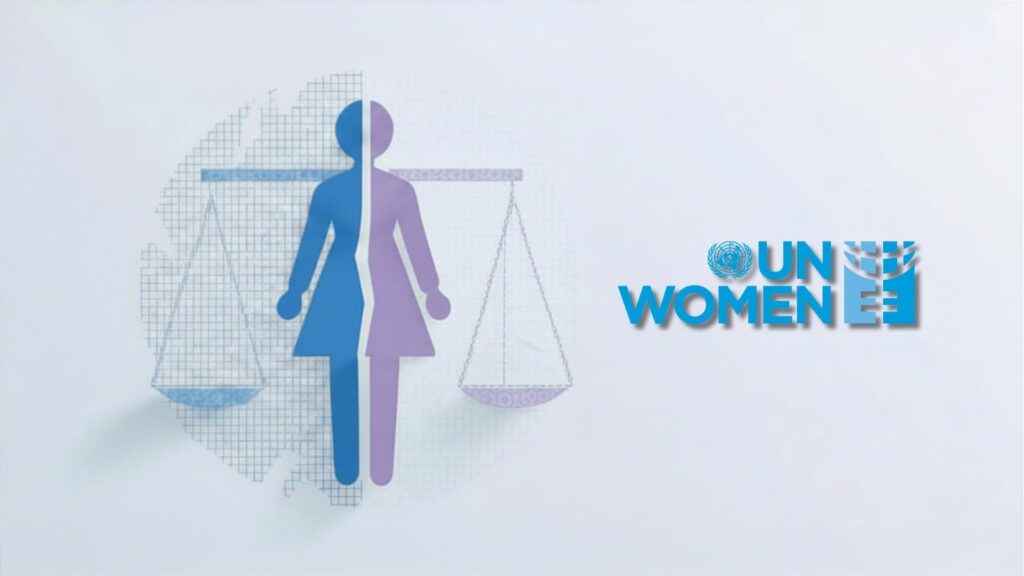
UN Women has warned that AI systems continue to reinforce long-standing gender stereotypes, even as they become increasingly embedded in everyday life. The organisation says many AI models still associate women with domestic roles while linking men to leadership, business, and career success.
Recent studies highlighted the scale of the issue. Research examining 133 AI systems found that 44% displayed gender bias, while more than a quarter showed both gender and racial bias. According to UN Women, these outcomes reflect biases embedded in training data and broader social patterns rather than isolated technical flaws.
Concerns extend beyond stereotyping and representation. AI-generated content is contributing to the spread of online abuse, with women human rights defenders, activists, and journalists reporting experiences ranging from manipulated images to deepfake content. At the same time, women remain underrepresented in the AI sector, accounting for only around 30% of the global workforce.
Ahead of international discussions on AI governance in Geneva, UN Women is urging governments, technology companies, and developers to place gender equality at the centre of AI policymaking. The organisation argues that inclusive AI development can help ensure the technology expands opportunities and participation rather than reproducing existing inequalities.
Why does it matter?
As AI systems become increasingly influential in hiring, education, healthcare, public services and online platforms, biased outputs can amplify existing inequalities at scale. Gender stereotypes embedded in AI models may affect how people are represented, evaluated and treated, making fairness and inclusivity important considerations in AI development and deployment.
The issue also highlights the relationship between technical design and social outcomes. Diverse datasets, inclusive development teams and robust governance mechanisms are increasingly viewed as necessary to reduce harmful biases and improve trust in AI systems. As governments develop AI regulations and standards, questions of gender equality, representation and accountability are likely to play a growing role in shaping future AI governance frameworks.
Would you like to learn more about AI, tech, and digital diplomacy? If so, ask our chatbot!