
New Zealand child agencies urge rights-based approach to online safety
Children’s advocates urged New Zealand to develop child-centred online safety law instead of relying on access restrictions.
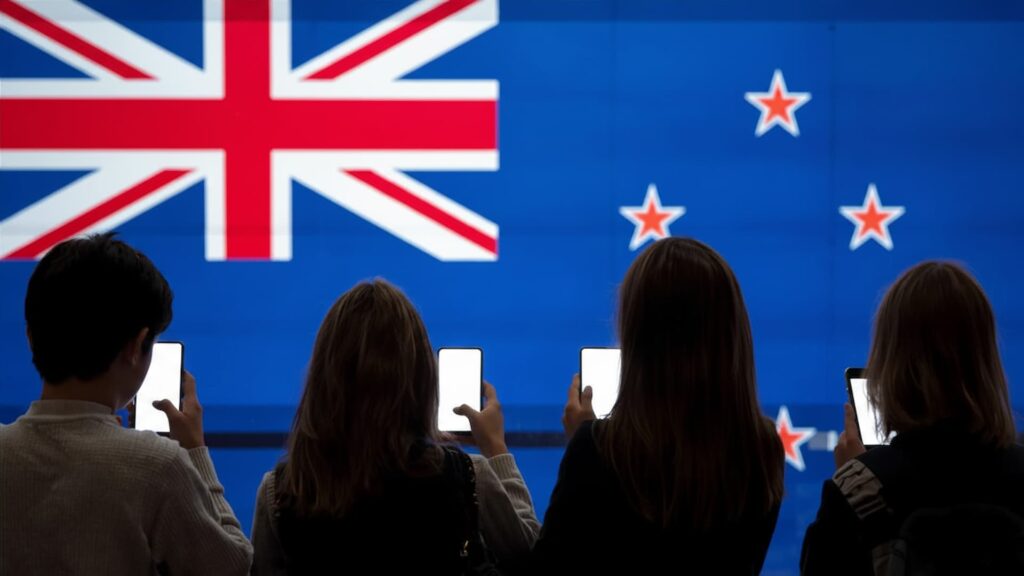
Children’s organisations in New Zealand have called for online safety debates to focus on children’s rights, evidence, and young people’s experiences online.
The recommendations were outlined in a joint resource published by the Children’s Monitoring Group, ‘Making the online world safe for children’, which sets out how Aotearoa New Zealand could respond to online harm without relying solely on access restrictions.
The resource acknowledges concerns related to online harms, including bullying, exploitation, violence, and misinformation. The organisations argued that access restrictions alone may not address broader online safety challenges and could shift responsibility toward children and families instead of platforms.
The document recommends stronger platform accountability measures involving prevention, reporting, and removal of harmful content.
Additional recommendations include reviewing online safety legislation, establishing an independent regulator, and expanding digital citizenship education.
Children’s Commissioner Dr Claire Achmad said online safety discussions should consider children’s rights to participation, protection, and access. She also noted that online spaces can play an important role for children seeking community participation and social connection.
Save the Children New Zealand’s Jacqui Southey argued that platform accountability and evidence-based policy approaches should remain central to online safety efforts. She called for child-centred legislation based on platform accountability, independent oversight, and evidence of what works.
Would you like to learn more about AI, tech, and digital diplomacy? If so, ask our Diplo chatbot!