
Quantum technologies tested to strengthen energy systems
Early quantum pilots suggest potential improvements in how energy networks balance fluctuating supply, demand and storage in real time.
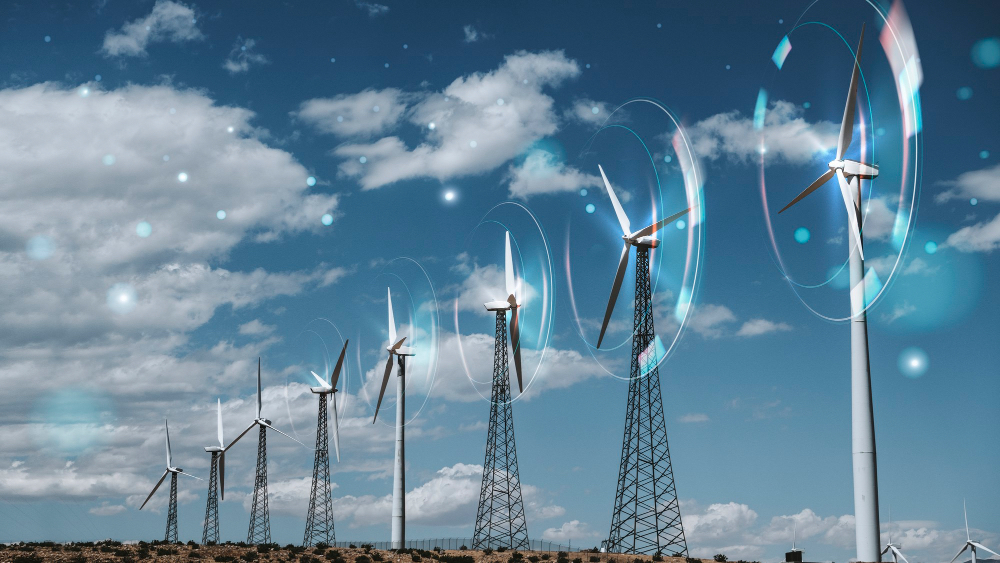
Energy systems are under growing pressure from rising demand, geopolitical volatility and increasingly complex grid operations. Electrification, renewable integration and digital infrastructure growth are making power systems harder to optimise and secure with conventional tools.
The World Economic Forum’s white paper Quantum for Energy and Utilities: Key Opportunities for Energy Transition, developed with Aramco, highlights quantum technologies as complementary tools for specific high-value challenges.
Operational optimisation is one of the earliest use cases. Power networks must balance renewable generation, storage, flexible demand and grid limits in real time.
Hybrid quantum-classical approaches are being tested, including EDF and Pasqal’s electric-vehicle smart charging work, in which a neutral-atom quantum system enabled scheduling across more than 100 qubits to better align charging with grid conditions.
Quantum approaches are also being explored for materials and monitoring. Simulating batteries, hydrogen systems and carbon capture remains computationally heavy, slowing innovation.
Quantum sensing is also being trialled for emissions and infrastructure monitoring, including methane detection tests at the Flotta Oil Terminal in Scotland that captured intermittent emissions missed by periodic inspections.
Infrastructure security is another focus, especially long-term cyber risk. Trials such as Austria’s Verbund testing quantum-safe communications in live grid environments show early progress in post-quantum cryptography.
Despite advances, limitations in hardware, scalability and integration keep most applications in pilot phases, with wider adoption dependent on structured investment and clear use cases.
Why does it matter?
Energy systems are growing more complex as rising demand, renewable integration and digitalisation stretch traditional optimisation and security tools to their limits. Even in early pilots, quantum approaches could boost grid efficiency, accelerate the discovery of clean-energy materials and enhance long-term infrastructure security.
Would you like to learn more about AI, tech, and digital diplomacy? If so, ask our Diplo chatbot!