
Deepfake attacks push organisations to rethink cybersecurity strategies
Security experts warn deepfake attacks require stronger detection and verification measures.
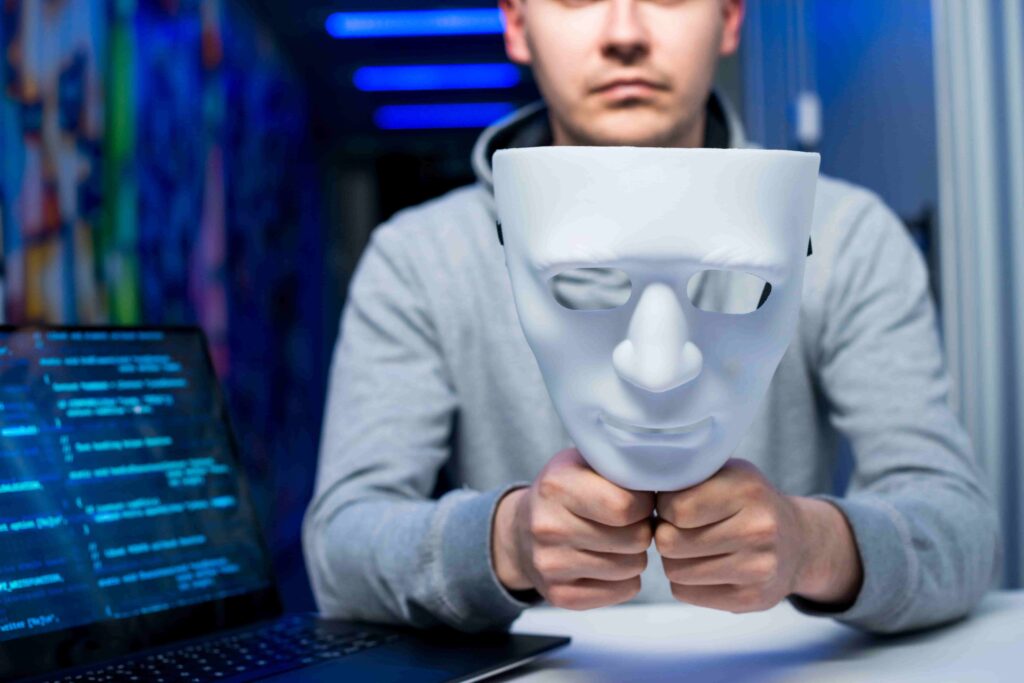
Organisations are strengthening their cybersecurity strategies as deepfake attacks become more convincing and easier to produce using generative AI.
Security experts alert that enterprises must move beyond basic detection tools and adopt layered security strategies to defend against the growing threat of deepfake attacks targeting communications and digital identity.
Many existing tools for identifying manipulated media are still imperfect. Digital forensics expert Hany Farid estimates that some systems used to detect deepfake attacks are only about 80 percent effective and often fail to explain how they determine whether an image, video, or audio recording is authentic. The lack of explainability also raises challenges for legal investigations and public verification of suspicious media.
Cybersecurity companies are creating new technologies to improve the detection of deepfake attacks by analysing slight signals that are difficult for humans to notice. Firms such as GetReal Security, Reality Defender, Deep Media, and Sensity AI examine lighting consistency, shadow angles, voice patterns, and facial movements. Environmental indicators such as device location, metadata, and IP information can also help security teams spot potential deepfake attacks.
However, experts say detection alone cannot fully protect organisations from deepfake attacks. Companies are increasingly conducting internal red-team exercises that simulate impersonation scenarios to expose weaknesses in verification procedures. Multi-factor authentication techniques can reduce the risk of employees responding to fraudulent communications.
Another emerging defence involves digital provenance systems designed to track the origin and modification history of digital content. Initiatives such as the Coalition for Content Provenance and Authenticity (C2PA) embed cryptographically signed metadata into media files, allowing organisations to verify whether content linked to suspected deepfake attacks has been altered.
Recent experiments highlight how testing these threats can be. In February, cybersecurity company Reality Defender conducted an exercise with NATO by introducing deepfake media into a simulated military scenario. The findings showed how easily even experienced officials can struggle to identify manipulated communications, reinforcing calls for automated systems capable to detecting deepfake attacks across critical infrastructure.
As generative AI tools continue to advance, organisations are expected to combine detection technologies, stronger verification procedures, and provenance tracking to reduce the risks posed by deepfake attacks.
Would you like to learn more about AI, tech, and digital diplomacy? If so, ask our Diplo chatbot!