
UNESCO and African network advance AI in justice
AI-assisted tools improve efficiency in courts but raise ethical concerns, prompting regional dialogue among African judges.
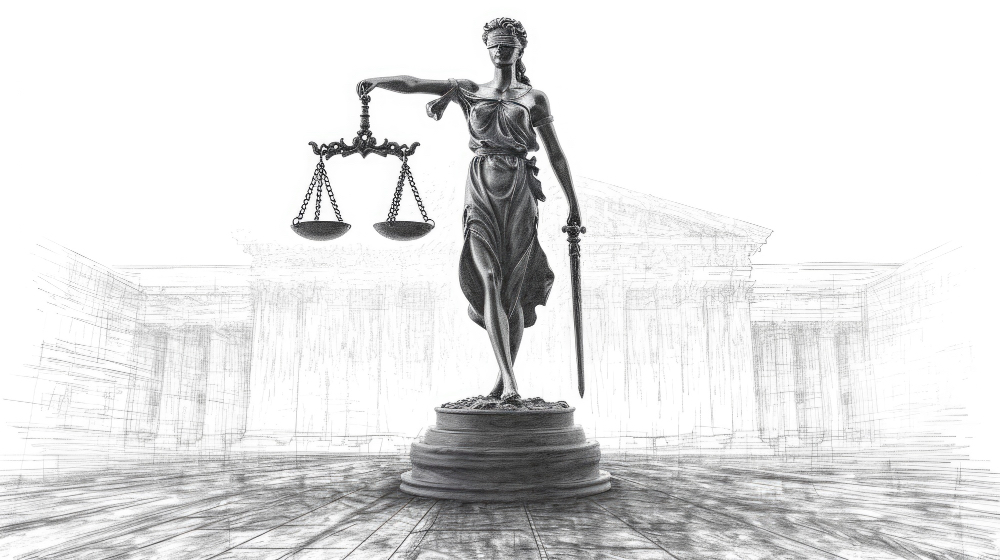
AI is increasingly shaping Africa’s courts, from translation tools to legal search engines. As AI becomes more integrated, judicial actors face new questions around transparency, accountability, and human rights.
Thirty-one members of the African Network of Judicial Trainers (ANJT) gathered in Maputo for a regional workshop on AI, Justice, and Human Rights.
Participants included judicial directors, Supreme Court justices and senior magistrates who shared strategies for responsibly integrating AI into courts. UNESCO highlighted the importance of keeping justice human-centred amid technological change.
Discussions examined the benefits of AI-assisted translation and data analysis, alongside risks such as bias, discrimination, and opacity.
UNESCO introduced practical resources, including the Guidelines for the Use of AI in Courts and Tribunals and AI Essentials for Judges, to help judicial professionals implement ethical practices.
Workshop participants committed to adapting these materials into national training curricula, aiming to multiply knowledge across African judicial systems. ANJT and UNESCO emphasised that AI adoption should enhance efficiency without compromising fairness or the rule of law.
Would you like to learn more about AI, tech and digital diplomacy? If so, ask our Diplo chatbot!