
New AI system forecasts mobility after joint replacement
Researchers identified distinct post-surgery gait patterns, with AI helping predict which hip osteoarthritis patients benefit most from joint replacement.
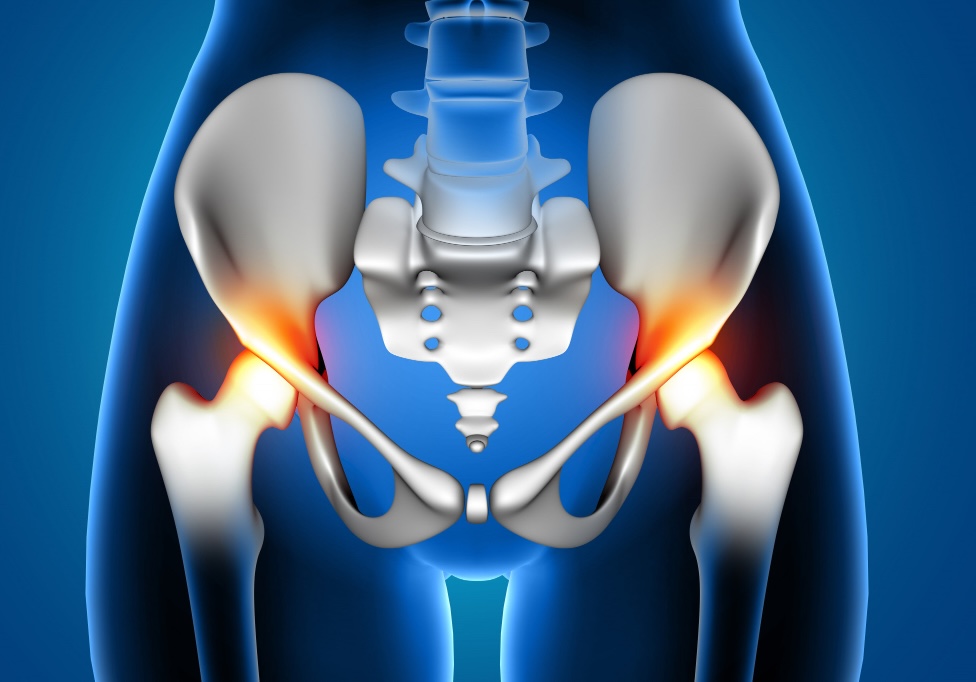
AI is being deployed to forecast how well patients regain mobility after hip replacement surgery, offering new precision in orthopaedic recovery planning.
Researchers at the Karlsruhe Institute of Technology developed a model capable of analysing complex gait biomechanics to assess post-operative walking outcomes.
Hip osteoarthritis remains one of the leading drivers of joint replacement procedures, with around 200,000 artificial hips implanted in Germany in 2024 alone. Recovery varies widely, driving research into tools predicting post-surgery mobility and pain relief.
Movement data collected before and after operations were analysed using AI as part of a joint project with the Universitätsmedizin Frankfurt.
The system examined biomechanical indicators, including joint angles and loading patterns, enabling researchers to classify patients into three distinct gait recovery groups.
Results show the model can predict who regains near-normal walking and who needs intensive rehabilitation. Researchers say the framework could guide personalised therapy and expand to other joints and musculoskeletal disorders.
Would you like to learn more about AI, tech and digital diplomacy? If so, ask our Diplo chatbot!