
AI and human love in the digital age debate
As AI companions grow in popularity, experts note that while users may feel genuine attachment, AI only simulates emotion and does not experience love.
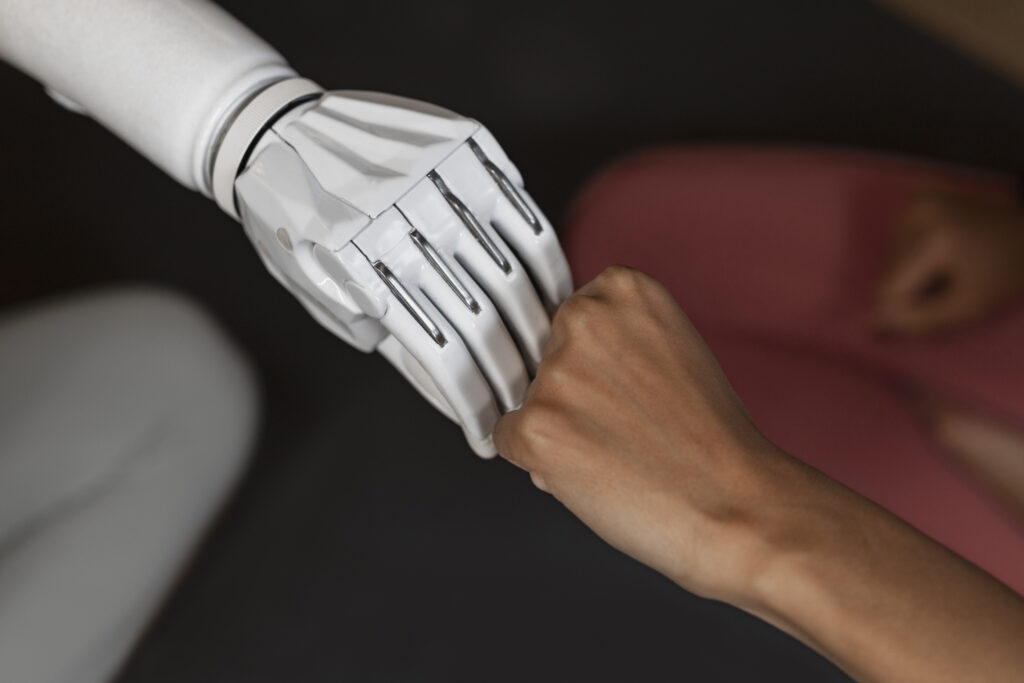
AI is increasingly entering intimate areas of human life, including romance and emotional companionship. AI chatbots are now widely used as digital companions, raising broader questions about emotional authenticity and human-machine relationships.
Millions of people use AI companion apps, and studies suggest that a significant share of them describe their relationship with a chatbot as romantic. While users may experience genuine emotions, experts stress that current AI systems do not feel love but generate responses based on patterns in data.
Researchers explain that large language models can simulate empathy and emotional understanding, yet they lack consciousness and subjective experience. Their outputs are designed to imitate human interaction rather than reflect genuine emotion.
Scientific research describes love as deeply rooted in biology. Hormones such as dopamine and oxytocin, along with specific brain regions, shape attraction, attachment, and emotional bonding. These processes are embodied and chemical, which machines do not possess.
Some scholars argue that future AI systems could replicate certain cognitive aspects of attachment, such as loyalty or repeated engagement. However, most agree that replicating human love would likely require consciousness, which remains poorly understood and technically unresolved.
Debate continues over whether conscious AI is theoretically possible. While some researchers believe advanced architectures or neuromorphic computing could move in that direction, no existing system meets the established criteria for consciousness.
In practice, human-AI romantic relationships remain asymmetrical. Chatbots are designed to engage, agree, and provide comfort, which can create dependency or unrealistic expectations about real-world relationships.
Experts therefore emphasise transparency and AI literacy, stressing that users should understand AI companions simulate emotion and do not possess feelings, intentions, or awareness; while these systems can imitate expressions of love, they do not experience it, and the emotional reality remains human even when the interaction is digital.
Would you like to learn more about AI, tech and digital diplomacy? If so, ask our Diplo chatbot!