
Robots edge closer to human-like movement
New actuator designs are helping robots achieve more precise and controlled movement, improving their ability to operate safely in industrial and human environments.
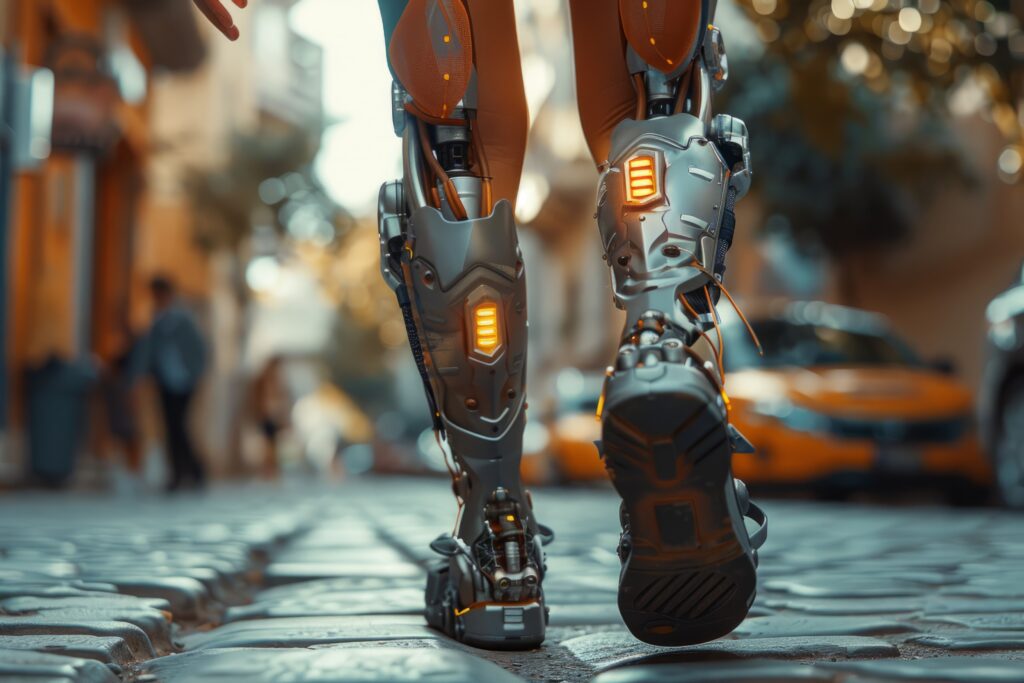
Engineers are working to make robots move with greater balance and fluidity, bringing machines closer to human-like motion. Progress depends heavily on actuators, the components that convert energy into precise physical movement.
Traditional electric motors have enabled many robotic breakthroughs, yet limitations in efficiency, safety and responsiveness remain clear. Machines often consume too much power, overheat at small sizes and lack the flexibility needed for smooth interaction.
Major manufacturers including Schaeffler and Hyundai Mobis are now designing advanced actuators that provide better control, real-time feedback and improved energy efficiency. Such innovations could allow humanoid robots to operate safely alongside workers and perform practical industrial tasks.
Researchers are also experimenting with softer materials and air-powered systems that behave more like muscles than rigid machinery. Continued advances could eventually produce robots capable of natural, graceful movement, opening new possibilities for everyday use.
Would you like to learn more about AI, tech, and digital diplomacy? If so, ask our Diplo chatbot!