
European Parliament moves to force AI companies to pay news publishers
A draft European Parliament report signals tougher copyright enforcement, as AI firms face mounting pressure to pay publishers and address deepfakes linked to synthetic media tools.
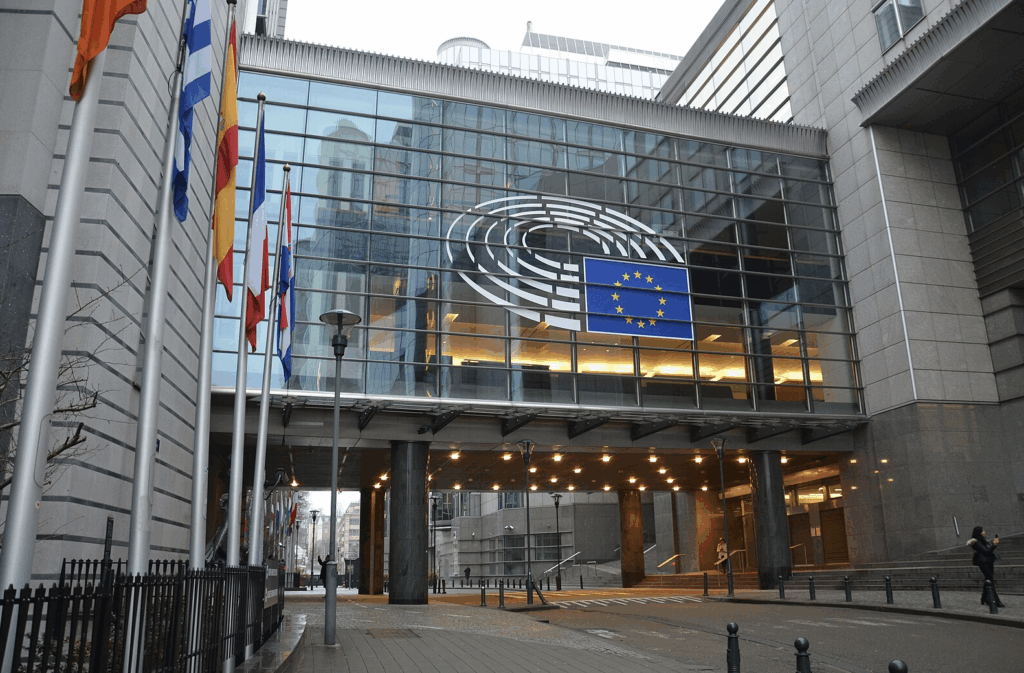
Lawmakers in the EU are moving closer to forcing technology companies to pay news publishers for the use of journalistic material in model training, according to a draft copyright report circulating in the European Parliament.
The text forms part of a broader effort to update copyright enforcement as automated content systems expand across media and information markets.
Compromise amendments also widen the scope beyond payment obligations, bringing AI-generated deepfakes and synthetic manipulation into sharper focus.
MEPs argue that existing legal tools fail to offer sufficient protection for publishers, journalists and citizens when automated systems reproduce or distort original reporting.
The report reflects growing concern that platform-driven content extraction undermines the sustainability of professional journalism. Lawmakers are increasingly framing compensation mechanisms as a corrective measure rather than as voluntary licensing or opaque commercial arrangements.
If adopted, the position of the Parliament would add further regulatory pressure on large technology firms already facing tighter scrutiny under the Digital Markets Act and related digital legislation, reinforcing Europe’s push to assert control over data use, content value and democratic safeguards.
Would you like to learn more about AI, tech and digital diplomacy? If so, ask our Diplo chatbot!