
EU lawmakers push limits on AI nudity apps
Concerns over AI-generated nudity have reignited debate in the EU, with lawmakers questioning whether existing laws adequately prohibit harmful nudification tools.
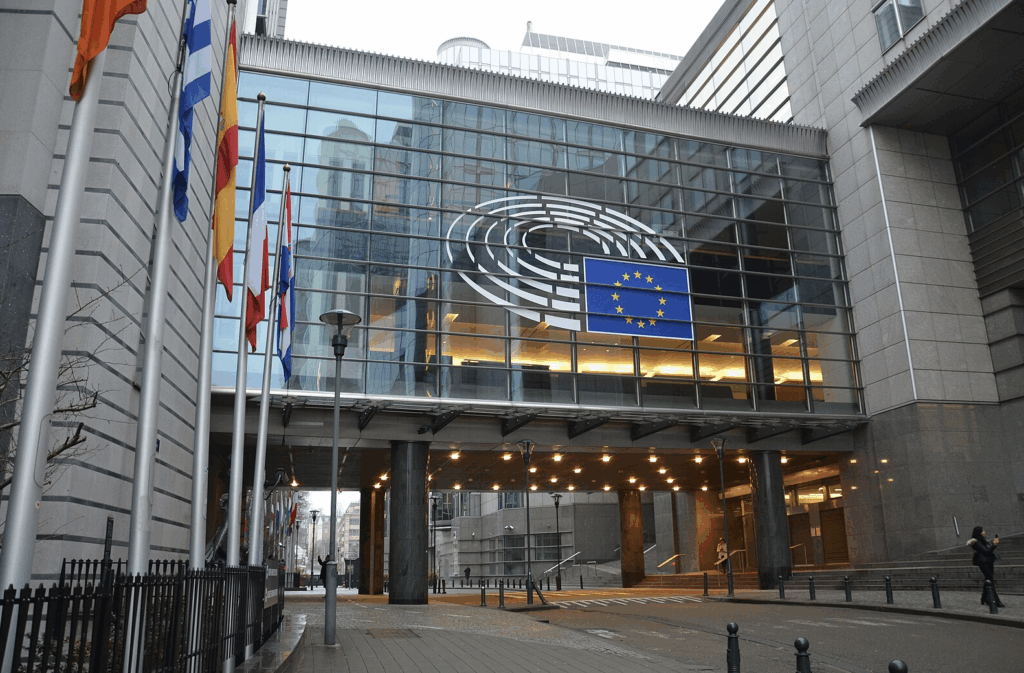
More than 50 EU lawmakers have called on the European Commission to clarify whether AI-powered applications for nudity are prohibited under existing EU legislation, citing concerns about online harm and legal uncertainty.
The request follows public scrutiny of the Grok, owned by xAI, which was found to generate manipulated intimate images involving women and minors.
Lawmakers argue that such systems enable gender-based online violence and the production of child sexual abuse material instead of legitimate creative uses.
In their letter, lawmakers questioned whether current provisions under the EU AI Act sufficiently address nudification tools or whether additional prohibitions are required. They also warned that enforcement focused only on substantial online platforms risks leaving similar applications operating elsewhere.
While EU authorities have taken steps under the Digital Services Act to assess platform responsibilities, lawmakers stressed the need for broader regulatory clarity and consistent application across the digital market.
Further political debate on the issue is expected in the coming days.
Would you like to learn more about AI, tech and digital diplomacy? If so, ask our Diplo chatbot!