
Multiply Labs targets automation in cell therapy manufacturing
Automation is transforming cell therapy manufacturing by reducing costs, improving consistency, and scaling sterile production processes.
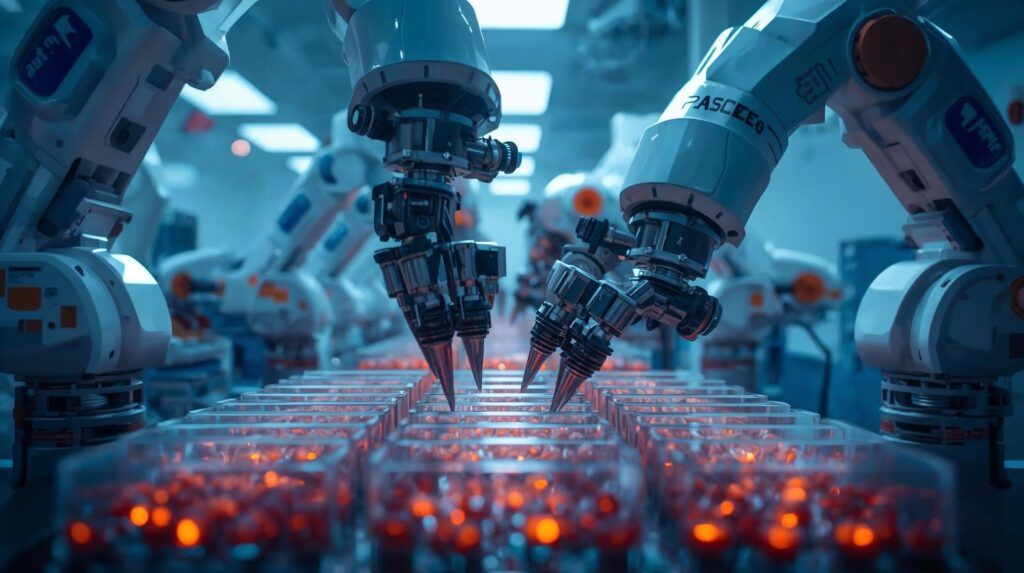
Robotics firm Multiply Labs is introducing automation into cell therapy manufacturing to cut costs by more than 70% and increase output. The startup applies industrial robotics to clean-room environments, replacing slow and contamination-prone manual processes.
Founded in 2016, the San Francisco-based company collaborates with leading cell therapy developers, including Kyverna Therapeutics and Legend Biotech. Its robotic systems perform sterile, precision tasks involved in producing gene-modified cell therapies at scale.
Multiply Labs uses NVIDIA Omniverse to create digital twins of laboratory environments and Isaac Sim to train robots for specialised workflows. Humanoid robots built on NVIDIA’s Isaac GR00T model are also being developed to assist with material handling while maintaining hygiene standards.
Cell therapies involve modifying patient or donor cells to treat various conditions, including cancers, autoimmune diseases, and genetic disorders. The highly customised nature of these treatments makes production costly and sensitive to human error, increasing the risk of failed batches.
By automating thousands of delicate steps, robotics improves consistency, reduces contamination, and preserves expert knowledge. Multiply Labs states that automation could enable the mass production of life-saving therapies at a lower cost and greater availability.
Would you like to learn more about AI, tech, and digital diplomacy? If so, ask our Diplo chatbot!