
AI model improves speech therapy planning for hearing-impaired children
The AI-powered approach allows early therapy adjustments, optimising speech outcomes for children with severe hearing loss.
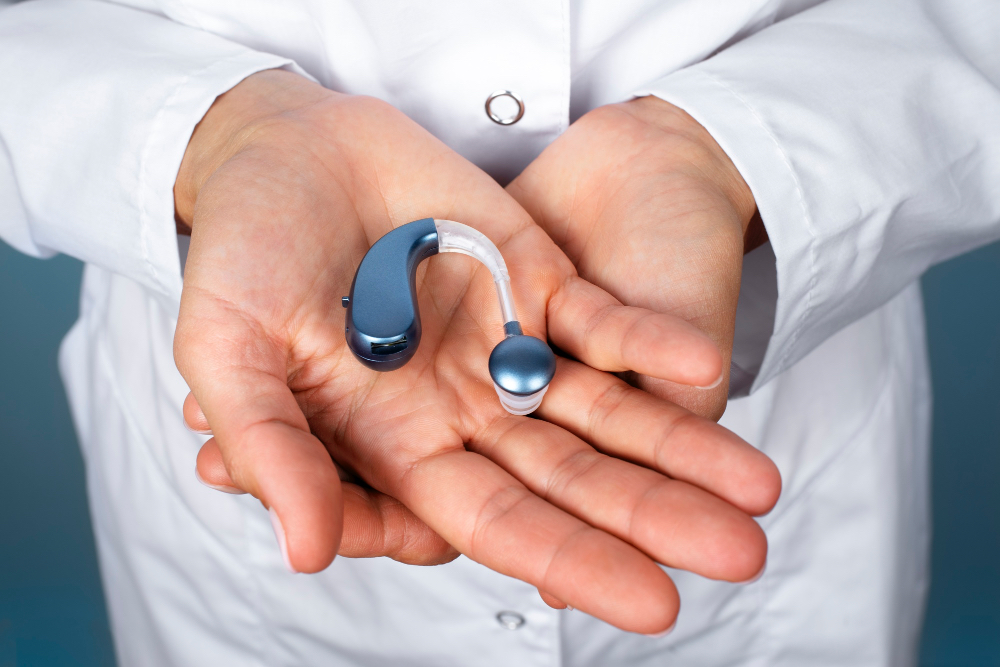
A new international study has shown that an AI model using deep transfer learning can predict spoken language outcomes for children following cochlear implants with 92% accuracy.
Researchers analysed pre-implantation brain MRI scans from 278 children across Hong Kong, Australia, and the US, covering English, Spanish, and Cantonese speakers.
Cochlear implants are the only effective treatment for severe hearing loss, though speech development after early implantation can vary widely. The AI model identifies children needing intensive therapy, enabling clinicians to tailor interventions before implantation.
The study demonstrated that deep learning outperformed traditional machine learning models, handling complex, heterogeneous datasets across multiple centres with different scanning protocols and outcome measures.
Researchers described the approach as a robust prognostic tool for cochlear implant programmes worldwide.
Experts highlighted that the AI-powered ‘predict-to-prescribe’ method could transform paediatric audiology by optimising therapy plans and improving spoken language development for children receiving cochlear implants.
Would you like to learn more about AI, tech and digital diplomacy? If so, ask our Diplo chatbot!