
AI tools help researchers explore how memory forms in the brain
AI-powered visualisation tools are helping scientists analyse memory-related brain structures.
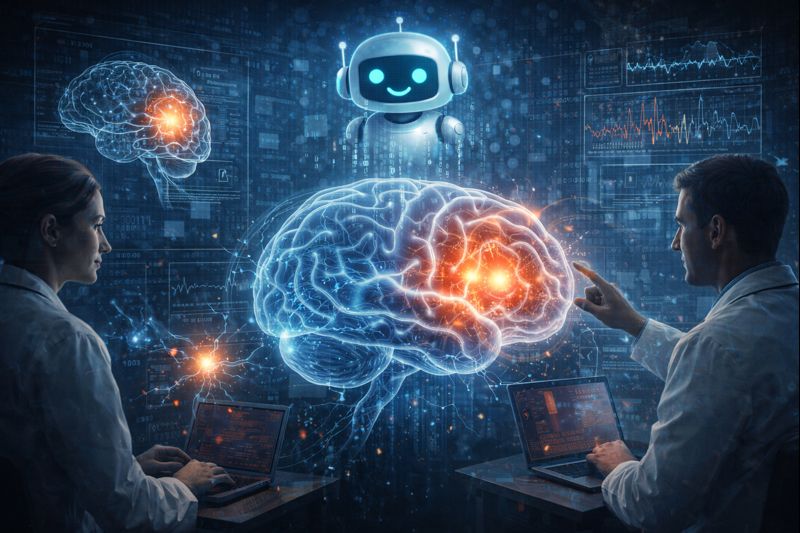
Researchers at the Marine Biological Laboratory in Massachusetts are using AI and advanced visualisation tools to study how memories are formed in the human brain. Their work focuses on understanding how experiences produce lasting biological changes linked to long-term memory.
The project is led by Andre Fenton of New York University and Abhishek Kumar of the University of Wisconsin–Madison. Using NVIDIA RTX GPUs and HP Z workstations, the team analyses large-scale brain imaging data with custom AI tools and the syGlass virtual reality platform.
Researchers centred on the hippocampus, a brain structure central to memory. Scientists are examining specific protein markers in neurons to reveal how memories are encoded, even though these markers represent only a small fraction of the brain’s overall protein landscape.
High-resolution 3D imaging previously created a major data bottleneck. AI-supported workflows now allow researchers to capture, inspect, and store terabytes of volumetric data, enabling more detailed analysis of brain cell structure and function.
Researchers say understanding memory at a molecular level could support earlier insights into neurological and psychiatric conditions. The tools are also being used for education, allowing students to explore brain data interactively while contributing to ongoing research.
Would you like to learn more about AI, tech, and digital diplomacy? If so, ask our Diplo chatbot!