
AI ethics as societal infrastructure in the digital era
Balancing technological progress with societal values is essential, ensuring that intelligent
technologies align with society and remain guided by AI ethics.

In recent days, social media has been alight with discussions about the 2014 series whose portrayal of AI and ethical dilemmas now feels remarkably prophetic: Silicon Valley. Fans and professionals alike are highlighting how the show’s depiction of AI, automated agents, and ethical dilemmas mirrors today’s real-world challenges.
From algorithmic decision-making to AI shaping social and economic interactions, the series explores the boundaries, responsibilities, and societal impact of AI in ways that feel startlingly relevant. What once seemed like pure comedy is increasingly being seen as a warning, highlighting how the choices we make around AI and its ethical frameworks will shape whether the technology benefits society.
While the show dramatises these dilemmas for entertainment, the real world is now facing the same questions. Recent trends in generative AI, autonomous agents, and large-scale automated decision-making are bringing their predictions to life, raising urgent ethical questions for developers, policymakers, and society alike.

The rise of AI ethics: from niche concern to central requirement
The growing influence of AI on society has propelled ethics from a theoretical discussion to a central factor in technological decision-making. Initially confined to academic debate, ethics in AI is now a guiding force in technological development. The impact of AI is becoming tangible across society, from employment and finance to online content.
Technical performance alone no longer defines success; the consequences of design choices have become morally and socially significant. Governments, international organisations, and corporations are responding by developing ethical frameworks.
The EU AI Act, the OECD AI Principles, and numerous corporate codes of conduct signal that society expects AI systems to align with human values, demonstrating accountability, fairness, and trustworthiness. Ethical reflection has become a prerequisite for technological legitimacy and societal acceptance.

Functions of AI ethics: trust, guidance, and societal risk
Ethical frameworks for AI fulfil multiple roles, balancing moral guidance with practical necessity. They build public trust between developers, organisations, and users, reassuring society that AI systems operate consistently with shared values.
For developers, ethical principles offer a blueprint for decision-making, helping anticipate societal impact and minimise unintended harm. Beyond guidance, AI ethics acts as a form of societal risk governance, allowing organisations to identify potential consequences before they manifest.
By integrating ethics into design, AI systems become socially sustainable technologies, bridging technical capability with moral responsibility. The approach like this is particularly critical in high-stakes domains such as healthcare, finance, and law, where algorithmic decisions can significantly affect human well-being.

The politics of AI ethics: regulatory theatre and corporate influence
Despite widespread adoption, AI ethics frameworks sometimes risk becoming regulatory theatre, where public statements signal commitment but fail to ensure meaningful action. Many organisations promote ethical AI principles, yet consistent enforcement and follow-through often lag behind these claims.
Even with their limitations, ethical frameworks are far from meaningless. They shape public discourse, influence policy, and determine which AI systems gain social legitimacy. The challenge lies in balancing credibility with practical impact, ensuring that ethical commitments are more than symbolic gestures.
Social media platforms like X amplify this tension, with public scrutiny and viral debates exposing both successes and failures in applying ethical principles.

AI ethics as a lens for technology and society
The prominence of AI ethics reflects a broader societal transformation in evaluating technology. Modern societies no longer judge AI solely by efficiency, speed, or performance; they assess social consequences, fairness, and the distribution of risks and benefits.
AI is increasingly seen as a social actor rather than a neutral tool, influencing public behaviour, shaping social norms, and redefining concepts such as trust, autonomy, and accountability. Ethical evaluation of AI is not just a philosophical exercise, but demonstrate evolving expectations about the role technology should play in human life.
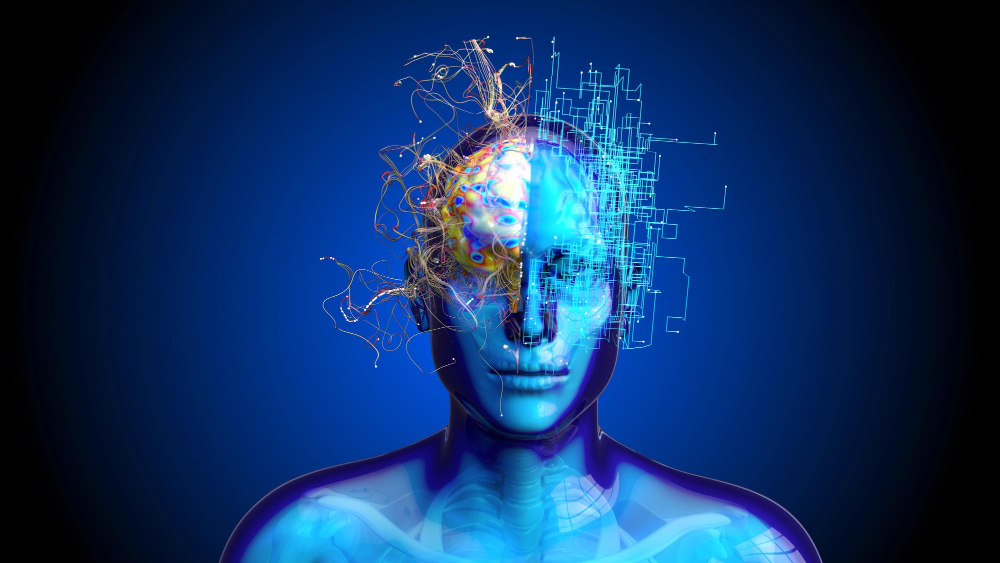
AI ethics as early-warning governance for social impact
AI ethics functions as a critical early-warning system for society. Ethical principles anticipate harms that might otherwise go unnoticed, from systemic bias to privacy violations. By highlighting potential consequences, ethics enables organisations to act proactively, reducing the likelihood of crises and improving public trust.
Moreover, ethics ensures that long-term impacts, including societal cohesion, equity, and fairness, are considered alongside immediate technical performance. In doing so, AI ethics bridges the gap between what AI can do and what society deems acceptable, ensuring that innovation remains aligned with moral and social norms.

The bridge between technological power and social legitimacy
AI ethics remains the essential bridge between technological power and social legitimacy. Embedding ethical reflection into AI development ensures that innovation is not only technically effective but also socially sustainable, trustworthy, and accountable.
Yet a growing tension defines the next phase of this evolution: the accelerating pace of innovation often outstrips the slower processes of ethical deliberation and regulation, raising questions about who sets the norms and how quickly societies can adapt.
Rather than acting solely as a safeguard, ethics is increasingly becoming a strategic dimension of technological leadership, shaping public trust, market adoption, and even geopolitical influence in the global race for AI. The rise of AI ethics, therefore, signals more than a moral awakening, reflecting a structural shift in how technological progress is evaluated and legitimised.
As AI continues to integrate into everyday life, ethical frameworks will determine not only how systems function, but also whether they are accepted as part of the social fabric. Aligning innovation with societal values is no longer optional but the condition under which AI can sustain legitimacy, unlock its full potential, and remain a transformative force that benefits society as a whole.
Would you like to learn more about AI, tech and digital diplomacy? If so, ask our Diplo chatbot!
About author

Nikoleta Selena
Ms Nikoleta Selena is a law, economics, and marketing graduate and specialised writer focused on emerging technologies, especially fintech (blockchain and cryptocurrency) and AI, as well as the legal sector. She combines deep industry knowledge with legal and economic expertise to analyse and explain complex topics with clarity and precision.