
UN Global Mechanism on ICT Security begins building global capacity architecture
The UN’s permanent cyber mechanism advanced plans for a global cyber capacity-building architecture, with member states prioritising practical implementation tools, sustainable financing, and coordinated support to strengthen cyber resilience worldwide.
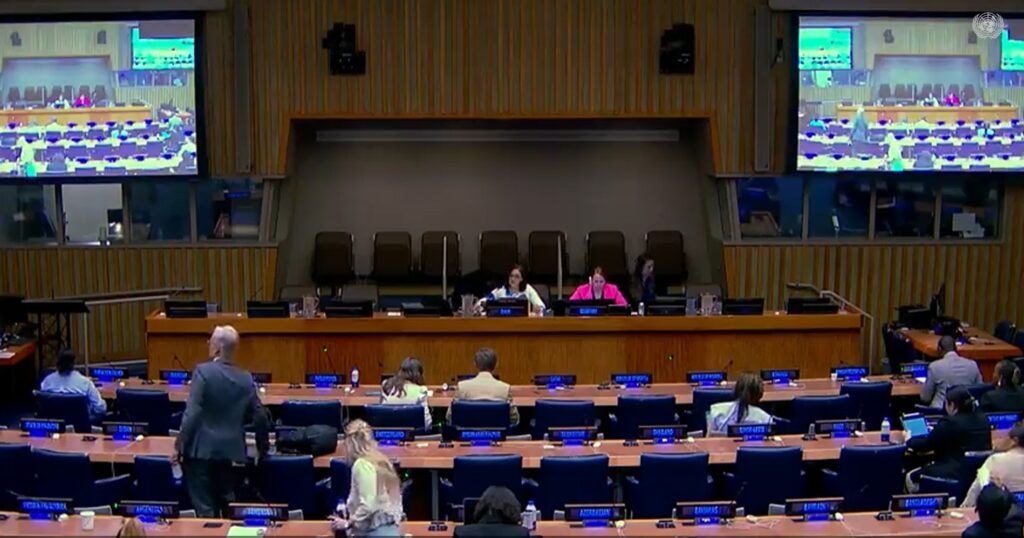
The UN’s permanent cyber mechanism advanced plans for a long-term global cyber capacity-building system, with member states focusing on how to transform political commitments into practical support through new funding mechanisms, implementation platforms, fellowship programmes, and coordinated international partnerships.
The eighth substantive plenary meeting of the Global Mechanism on Developments in the Field of ICTs in the Context of International Security was devoted entirely to capacity development. With 49 delegations requesting the floor, discussions reflected broad agreement that strengthening national cyber capabilities is no longer a supporting activity but the foundation for implementing every pillar of the UN framework for responsible state behaviour in cyberspace.
Delegations repeatedly stressed that cyber resilience depends on narrowing capability gaps between countries and that capacity development must be demand-driven, nationally owned, sustainable, and adapted to local circumstances rather than following uniform models.
Capacity development moves to the centre of implementation
Speakers from all regional groups argued that voluntary norms, international law, and confidence-building measures can only be translated into practical action if states possess the necessary institutions, technical expertise, legal frameworks, and skilled personnel.
Several developing countries emphasised that the main obstacle is not political commitment but limited resources and technical capacity. Pacific island states illustrated these challenges through practical examples, while also demonstrating how sustained investment and long-term partnerships can strengthen national cyber resilience.
Fellowship programmes and inclusion gain momentum
Delegations strongly endorsed efforts to broaden participation in global cyber diplomacy through fellowship and sponsorship programmes.
The Women in International Security and Cyberspace Fellowship received widespread support, with representatives from Kiribati, Tonga, Albania, Ghana, the Bahamas, and others describing how it enabled their countries to participate more effectively in the UN process. Many speakers also stressed that gender equality should be treated as an integral part of cybersecurity capacity-building rather than a separate policy objective.
Small island developing states also highlighted practical barriers to participation, including limited staffing, time-zone differences, and the importance of hybrid participation in future meetings.
New implementation mechanisms take shape
A series of concrete proposals signalled the mechanism’s growing emphasis on operational delivery.
India announced that it will fully fund the operationalisation of the Global ICT Security Cooperation and Capacity Building Portal, describing it as a practical platform for matching countries’ needs with available expertise and resources. Delegations also welcomed continued work on a UN Voluntary Fund for ICT security capacity-building, while Russia proposed UN-supported cyber-response exercises and Switzerland announced plans for a new Geneva-based community hub following the closure of the Global Forum on Cyber Expertise. China also announced a programme providing 5,000 AI fellowships for developing countries over the next five years.
Dedicated Thematic Group 2 expected to deliver results
Many delegations described Dedicated Thematic Group 2 (DTG2) as one of the most important innovations of the new mechanism and its first major test of implementation.
Rather than creating new political commitments, states called for DTG2 to identify national needs, match assistance with available resources, coordinate existing initiatives, develop practical guidance, and produce measurable recommendations that can be adopted by the plenary. Several delegations also stressed that its work should complement existing regional and international initiatives rather than duplicate them.
Success to be measured by resilience
Throughout the session, speakers argued that the effectiveness of capacity development should ultimately be measured by stronger institutions, better-prepared professionals, and improved national resilience, rather than by the number of meetings or training activities.
Closing the discussion, Chair Egriselda López noted that capacity development had emerged as one of the mechanisms’ most significant priorities and confirmed that remaining interventions would continue during the following day’s final plenary session.
Track all key moments from the First substantive session of the UN Global Mechanism on cybersecurity on our dedicated page.
Would you like to learn more about AI, tech and digital diplomacy? If so, ask our Diplo chatbot!