
Spain calls for United Nations Action on children’s digital rights
Children’s online safety and algorithm oversight take centre stage in Spain’s UN proposal.
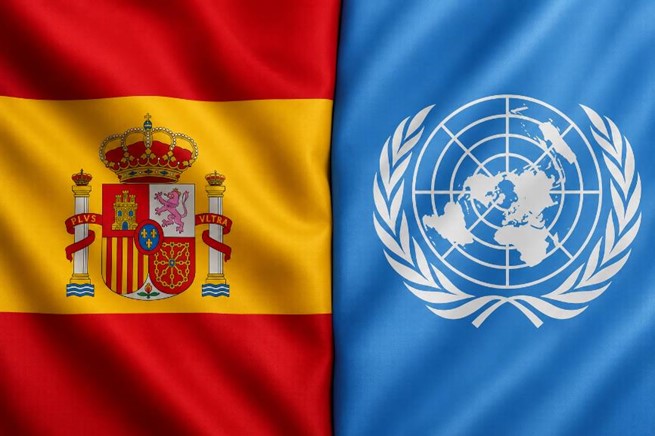
Spain has proposed the creation of a permanent multilateral working group within the UN to strengthen the regulation of digital environments and improve protections for children online.
The proposal was presented by Minister of Youth and Childhood, Sira Rego, during a ministerial roundtable at the Global Alliance of Pioneer Countries to End Violence Against Children in Turin.
According to Rego, stronger international cooperation is needed to regulate digital environments and protect children’s rights in response to abuses by major technology platforms. She said protecting children online requires regulations, rules, and control mechanisms that safeguard their rights and freedoms.
The proposal builds on earlier Ibero-American ministerial discussions on youth and childhood, during which countries agreed to establish an Ibero-American Observatory for the Well-being of Children, with a focus on protecting minors in digital environments. Spain is now proposing a similar approach within the UN framework.
A central element of Spain’s position is algorithmic transparency. Rego said algorithms are not neutral systems and can affect children’s ability to exercise their rights. She argued that such systems should be auditable and subject to democratic oversight by public authorities.
Alongside regulatory measures, Spain is advancing a National Strategy for Digital Environments to improve digital literacy among children, adolescents, and families. The strategy will combine education, pedagogical tools, and content creation to help protect children’s rights in digital spaces.
Why does it matter?
Spain’s proposal reflects growing pressure for international coordination on children’s digital rights. National rules alone often struggle to address platforms that operate across borders and use algorithmic systems that shape what children see, how they interact, and how their data is used. A UN-level working group could provide child online safety with a more permanent multilateral forum, especially on platform accountability and algorithmic transparency.
Would you like to learn more about AI, tech and digital diplomacy? If so, ask our Diplo chatbot!