
Portugal presents AMALIA as open European Portuguese language model
Portugal’s Prime Minister framed AMALIA as central to Europe’s AI strategic autonomy ambitions.
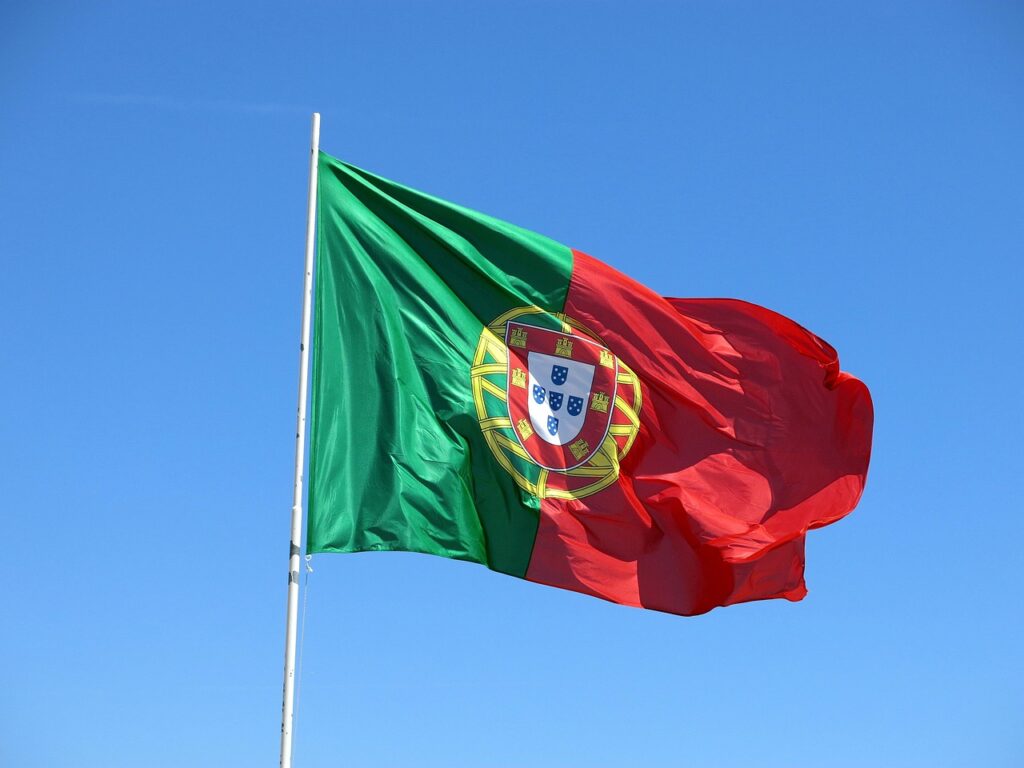
Portugal has presented AMALIA, its first open language model developed in European Portuguese, as part of a wider effort to strengthen national AI capacity and modernise the public sector.
Prime Minister Luís Montenegro said the project shows Portugal’s ability to develop advanced technology and contribute to Europe’s strategic autonomy.
AMALIA, short for Automatic Artificial Intelligence Multimodal Language Assistant, was developed by a consortium of Portuguese universities and research centres.
The project received an initial €5.5 million through Portugal’s Recovery and Resilience Facility, with a further €1.5 million planned for a new development phase in 2027.
Available as open code, AMALIA is intended to allow public administration bodies, companies, universities and research centres to develop their own applications.
The government says the model can support customer service, administrative process automation, knowledge management and decision-making across public services.
The AMALIA website says the project is designed to promote European Portuguese, preserve Portuguese cultural representation and support data sovereignty by enabling AI use in public administration without sensitive data leaving national territory.
The model is also expected to support use cases in education, culture and museums, media and science.
Why does it matter?
AMALIA addresses a gap in AI language infrastructure by focusing specifically on European Portuguese, a language variety often underrepresented or conflated with Brazilian Portuguese in multilingual AI systems. Open access also matters because it allows public bodies, universities and companies to adapt the model rather than relying only on closed commercial tools. The project fits a broader European debate on AI sovereignty, where governments are seeking domestic or regional capabilities in language models, data governance and public-sector AI infrastructure.
Would you like to learn more about AI, tech and digital diplomacy? If so, ask our Diplo chatbot!